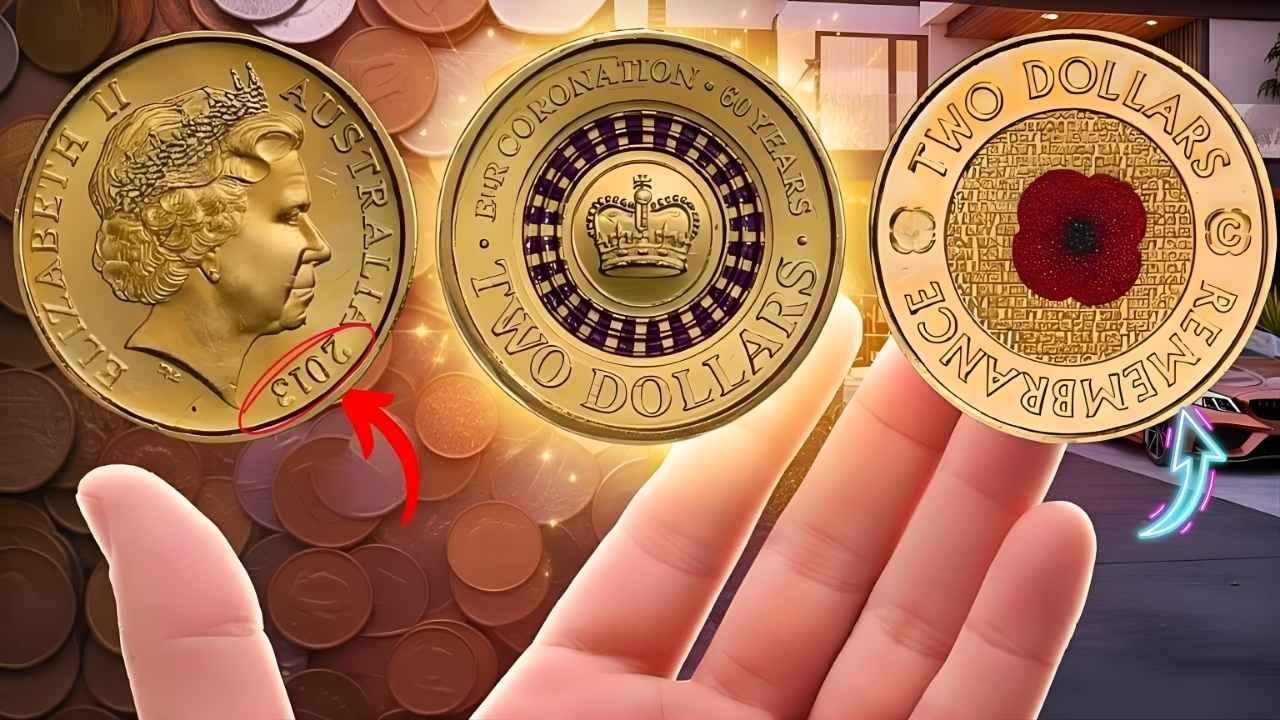
Everyday currency often feels disposable, passed from hand to hand without much thought. Yet within that familiar flow of coins and bills, history sometimes hides in plain sight. In recent years, certain $2 coins that once circulated freely have transformed into prized collectibles, commanding prices as high as $95,000. Their rise in value reflects a powerful combination of rarity, condition, historical significance, and growing global collector demand.
How the $2 Coin Became Part of Everyday Life
The $2 coin was originally introduced to simplify transactions and reduce reliance on paper currency. Designed for durability and long-term use, it featured national symbols meant to represent stability and continuity. For decades, these coins were spent casually in shops, stored in jars, or forgotten in drawers. Because they were common in daily use, few people considered holding onto them as potential collectibles. That everyday familiarity is precisely what allowed some rare examples to slip through unnoticed for years.
The Rare Varieties That Drive High Prices
Not all $2 coins are valuable, but a small number stand apart due to unusual characteristics. Coins produced in low-mintage years are often the most sought after, simply because fewer examples exist today. Error coins also play a major role in high valuations. Off-center strikes, doubled images, or coins struck on the wrong metal planchet create unique pieces that collectors actively compete to own. In some cases, proof-only $2 coins that were never intended for circulation have entered the market, further driving up prices due to their limited availability.
Why Minting Errors Matter So Much
Minting errors are among the strongest value boosters in the numismatic world. These mistakes occur during the manufacturing process and are rarely repeated in the same way. A $2 coin struck on the wrong metal or with a misaligned design becomes a one-of-a-kind artifact. Collectors view such coins as tangible evidence of how money is made, and that story adds depth beyond the metal itself. The rarer and more visually obvious the error, the more intense the demand tends to be.
The Critical Role of Coin Condition
Condition is often the deciding factor between a valuable coin and an ordinary one. A heavily worn $2 coin, even if rare, may struggle to attract top prices. By contrast, a coin preserved in near-perfect condition can multiply in value dramatically. Professional grading services evaluate coins using strict criteria, examining surface quality, sharpness of detail, and originality. A high-grade certification can elevate a coin into five-figure or even six-figure territory, especially when paired with rarity.
The Journey From Spare Change to Auction Star
The path from circulation to a $95,000 valuation is rarely quick. As collectors and researchers identify rare $2 coin varieties, interest gradually builds. When one of these coins appears at auction in exceptional condition, competition can escalate rapidly. Documented sales results fuel further attention, encouraging more collectors to search for similar examples. Over time, limited supply and rising global interest push prices higher, transforming forgotten coins into headline-making collectibles.

Growing Collector Demand Worldwide
Interest in rare coins is no longer limited to local markets. Collectors across continents now compete for exceptional $2 coins, aided by international auctions and online platforms. Some buyers focus on completing full date and mint sets, while others specialize in errors or historically important issues. This diversity of interest strengthens the market, as multiple types of collectors may pursue the same coin for different reasons. Increased awareness has also encouraged everyday people to reexamine their own collections and inherited items.
Discovery Stories That Keep the Market Alive
One of the most exciting aspects of coin collecting is the possibility of unexpected discovery. Valuable $2 coins have been found in old family collections, safety deposit boxes, and even active circulation. These stories energize the hobby and remind collectors that rare coins are not always locked away in museums. The idea that a life-changing find could still exist keeps interest high and encourages careful inspection of seemingly ordinary coins.
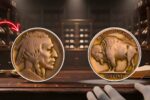
Rare $2 Coins as Alternative Investments
Beyond their appeal to collectors, rare $2 coins are increasingly viewed as alternative investments. Unlike stocks or digital assets, coins offer tangible ownership backed by historical significance. While prices can fluctuate, well-documented rare coins with professional grading tend to hold long-term value. Successful investing in this area requires patience, authentication, and an understanding of market trends. For many buyers, the blend of financial potential and cultural value makes rare coins especially attractive.
Protecting and Preserving Valuable Coins
Proper storage and handling are essential to maintaining a coin’s value. Coins should be kept in protective holders designed for numismatic preservation, away from moisture and contaminants. Direct handling should be minimal, and cleaning should be avoided entirely, as it can permanently damage surfaces and reduce value. Periodic evaluations by professionals help confirm condition and authenticity, ensuring that valuable pieces remain protected for the future.

Final Verdict
The rise of certain $2 coins from everyday currency to collectibles worth up to $95,000 proves that rarity can exist where least expected. Shaped by limited mintages, striking errors, exceptional condition, and global collector demand, these coins demonstrate how ordinary objects can gain extraordinary significance. For collectors and investors alike, the humble $2 coin serves as a reminder that history and value often hide in plain sight.
Disclaimer
This article is for informational purposes only and is based on publicly available information and general numismatic knowledge. Coin values may vary by condition, region, market demand, authentication, and future updates. Prices mentioned are not guaranteed. Readers should always verify details with official sources, professional numismatists, or certified grading services before making any buying, selling, or investment decisions.