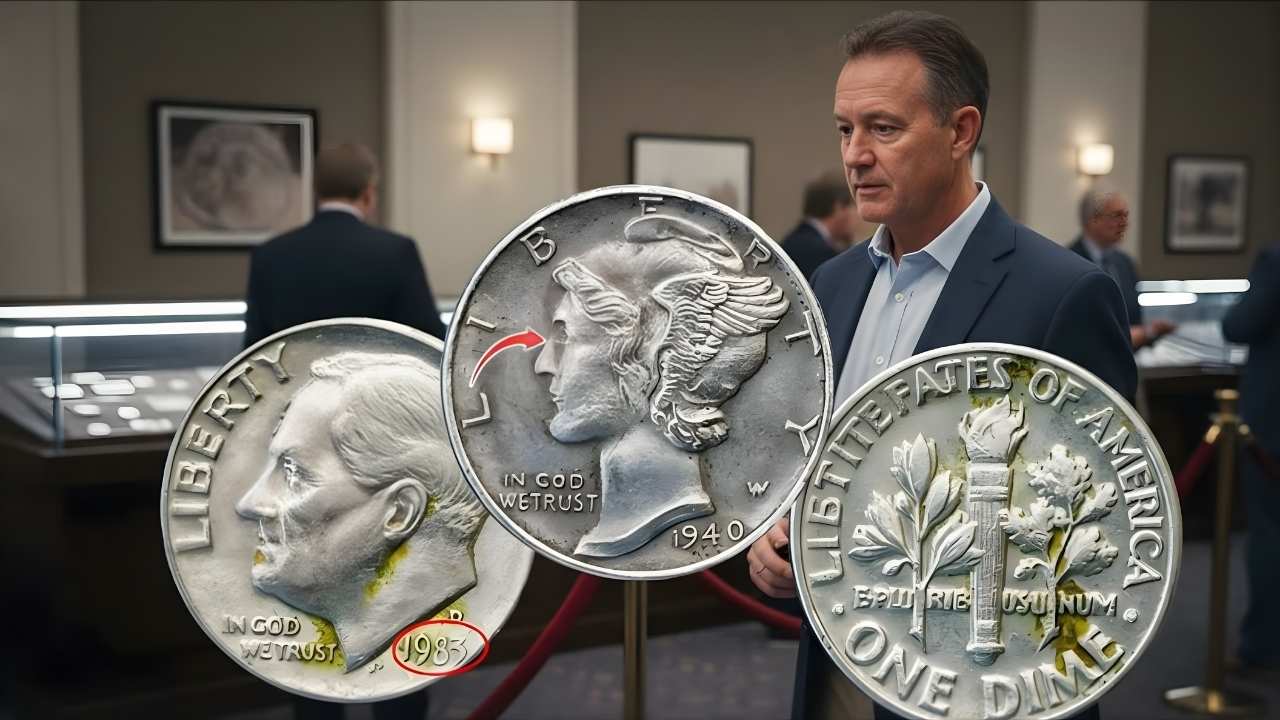
When collectors think of valuable U.S. coins, small silver dimes are often overlooked. Yet the Mercury Dime proves that size has nothing to do with significance. Minted from 1916 to 1945, these ten-cent pieces combine elegant design, historical importance, and strong collector demand. In 2026, Mercury Dimes remain one of the most actively traded classic U.S. coin series, with certain rare examples reaching prices that rival gold coins. From affordable silver pieces to million-dollar rarities, the Mercury Dime offers something for every level of collector.
Origins and Design of the Mercury Dime
The Mercury Dime is officially known as the Winged Liberty Head Dime. Designed by sculptor Adolph A. Weinman, it debuted in 1916 and quickly gained admiration for its artistic detail. The obverse features Liberty wearing a winged cap, symbolizing freedom of thought rather than the Roman god Mercury, a common misconception. The reverse displays a fasces representing strength and unity, paired with an olive branch symbolizing peace. This balance of power and harmony, combined with refined engraving, turned the Mercury Dime into one of the most beautiful coins ever produced by the U.S. Mint.
Why Mercury Dimes Are Popular With Collectors
Collectors are drawn to Mercury Dimes for several reasons. First, the coins circulated during major historical periods including World War I, the Great Depression, and World War II. Second, all Mercury Dimes are struck in 90 percent silver, giving them intrinsic value even in worn condition. Finally, the series includes multiple key dates and error varieties that make building a complete set both challenging and rewarding. These factors have kept demand strong well into 2026.
Mercury Dime Value Overview for 2026
Mercury Dime values vary widely depending on date, mint mark, condition, and rarity. While common dates often trade close to their silver melt value, scarce issues can command thousands or even millions of dollars.

Mercury Dime Value Table 2026
Year Mint Mark Estimated Value Range Key Notes
1916-D D $15,000 – $1,100,000+ Rarest issue, extremely low mintage
1921 P $1,500 – $15,000+ Scarce Philadelphia issue
1921-D D $2,000 – $20,000+ Low mintage Denver coin
1926-S S $300 – $5,000+ Popular semi-key date
1942-P P $5 – $50+ Common date, silver value
All Dates P, D, S $2 – $100+ Base silver value varies
The Legendary 1916-D Mercury Dime
The 1916-D Mercury Dime is the most famous coin in the series. Struck at the Denver Mint, only 264,000 examples were produced, making it dramatically scarcer than other issues. Even heavily worn examples are worth thousands of dollars, while mint state coins with full details can exceed one million dollars at auction. Its combination of low mintage, early series placement, and strong collector demand makes it the ultimate Mercury Dime.
Other Key Dates Collectors Should Know
Beyond the 1916-D, several other Mercury Dimes are highly desirable. The 1921 and 1921-D were produced during a year of low demand for dimes, resulting in limited mintages. The 1926-S is another challenging date, especially in higher grades. These coins may not reach seven figures, but they remain essential to serious collections and often appreciate steadily over time.
Error Varieties That Increase Mercury Dime Value
Minting errors add an extra layer of excitement to Mercury Dime collecting. Popular errors include doubled dies, repunched mint marks, off-center strikes, and die cracks. These anomalies occurred during high-speed production and escaped quality control. Well-defined errors can dramatically increase a coin’s value, especially when combined with a scarce date or high grade. Error collectors actively search for authenticated examples, keeping prices strong in 2026.

How Condition Affects Mercury Dime Prices
Condition is one of the most important factors in determining value. Coins are graded on a scale from heavily worn to mint state, with higher grades showing sharp details and original luster. A common Mercury Dime in worn condition may be worth only a few dollars, while the same coin in mint state can be worth hundreds. For key dates, the difference can reach tens or hundreds of thousands of dollars. Professional grading is often essential for accurate valuation.
Identifying Valuable Mercury Dimes
To identify a potentially valuable Mercury Dime, collectors should check the date on the obverse and the mint mark on the reverse near the bottom left of the fasces. Coins with a D or S mint mark are often more valuable than Philadelphia issues. Paying attention to strike quality, wear, and unusual features can help determine whether a coin deserves further evaluation by a grading service.
Silver Content and Market Influence
All Mercury Dimes contain 90 percent silver, giving them a built-in minimum value tied to precious metal prices. When silver prices rise, even common Mercury Dimes increase in value. However, rare dates and error coins are influenced far more by collector demand than silver content. This dual value structure makes Mercury Dimes attractive to both silver investors and numismatic collectors.
Final Verdict
Mercury Dimes continue to stand out as one of the most rewarding U.S. coin series to collect in 2026. Their elegant design, historical background, and wide range of values make them appealing to beginners and advanced collectors alike. Whether holding a common silver dime or chasing legendary coins like the 1916-D, every Mercury Dime carries a story and the potential for lasting value.
Disclaimer
This article is provided for informational and educational purposes only and is based on publicly available sources, historical auction data, and general numismatic market observations that may change over time due to market conditions, grading standards, regional demand, or updated research. Coin values mentioned are approximate and can vary significantly based on condition, authentication, and timing of sale. This content should not be considered financial or investment advice. Readers are strongly encouraged to verify all information through official sources, certified grading services, or qualified numismatic professionals before making any buying, selling, or investment decisions.