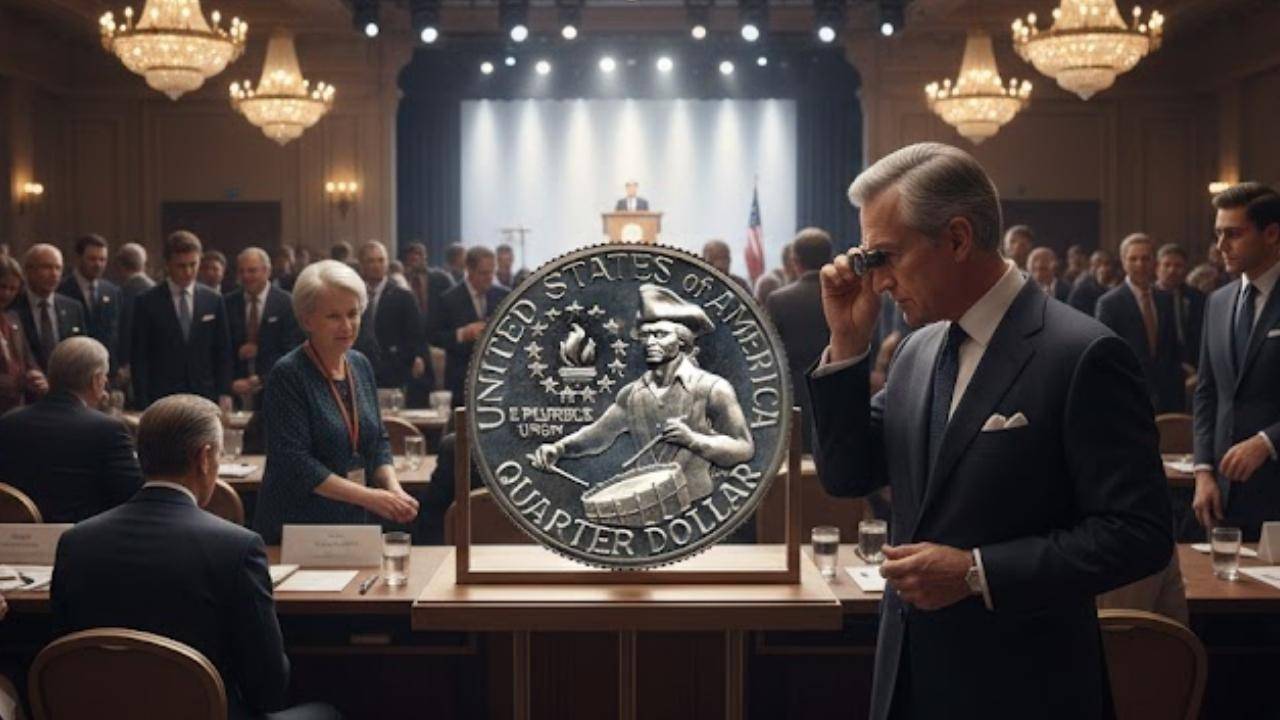
The 1776–1976 Bicentennial Quarter stands apart from all other Washington quarters due to its distinctive dual date and patriotic reverse design. Issued to celebrate the 200th anniversary of American independence, this coin replaced the traditional eagle with a colonial drummer, a torch of victory, and thirteen stars symbolizing the original colonies. While hundreds of millions were minted for circulation, a small number of Bicentennial Quarters have drawn intense attention from collectors due to unusual errors, rare compositions, and extraordinary claims of high value.
Why Most Bicentennial Quarters Are Common
The U.S. Mint produced Bicentennial Quarters at Philadelphia, Denver, and San Francisco in very large numbers to meet public demand during the anniversary celebration. Most circulated examples struck in copper-nickel clad are still worth face value today. Their abundance means condition alone rarely creates significant value unless the coin is nearly perfect or professionally graded at an exceptionally high level.
What Makes Certain Bicentennial Quarters Valuable
Only a fraction of Bicentennial Quarters command premium prices, and these usually share specific traits. Minting errors, experimental planchets, and proof or silver compositions elevate collectability. Coins with dramatic visual flaws or documented mint anomalies are especially appealing. In rare cases, a coin’s provenance, such as inclusion in a historic collection or association with a mint experiment, can greatly influence value.
Understanding the $3.2 Million Bicentennial Quarter Claim
Reports of a Bicentennial Quarter valued at $3.2 million often circulate online and spark curiosity. Such claims typically involve a perfect storm of factors: an extreme mint error, an unusual metal composition, pristine condition, and documented certification from a major grading service. Without verifiable auction records and professional authentication, these stories remain unconfirmed. However, they underscore how exceptional rarities can exist even within widely minted coins.
Known Bicentennial Quarter Errors Collectors Seek
Several types of errors have been documented on Bicentennial Quarters. Doubled die varieties may show noticeable doubling on lettering or design elements. Off-center strikes occur when the blank is misaligned, leaving part of the coin unstruck. Clipped planchets result in missing metal along the edge. Another rare but valuable category includes coins missing one of the clad layers, revealing unusual color and weight differences.
Silver and Wrong Planchet Bicentennial Quarters
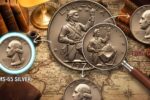
The San Francisco Mint produced Bicentennial Quarters in 40 percent silver for collectors, typically found in proof or uncirculated sets. While these silver issues are more valuable than standard clad coins, they are not exceedingly rare. True wrong planchet errors, such as Bicentennial Quarters struck on silver blanks intended for other denominations or experimental alloys, are far scarcer and command significantly higher prices when authenticated.

How to Examine a Bicentennial Quarter at Home
Collectors should begin by confirming the dual date 1776–1976 and examining the coin under magnification. Check the mint mark location and style, paying close attention to the lettering and drummer details for signs of doubling. Weigh the coin to detect unusual metal composition and inspect the edges for missing layers or clipping. Color differences can also indicate an error or nonstandard planchet.
Tools That Help Identify Rare Coins
A few basic tools can make a major difference when examining coins. A quality magnifying loupe allows close inspection of fine details. A digital scale helps identify weight discrepancies. Reference books and online grading archives provide comparisons to authenticated examples. These tools help collectors separate ordinary coins from those worth further evaluation.
Steps to Authenticate and Determine Value
If a Bicentennial Quarter appears unusual, it should never be cleaned or polished, as this can permanently reduce value. Clear photographs of both sides should be taken under proper lighting. Comparing the coin with images from reputable grading services is an important next step. Promising examples should be submitted to professional graders such as PCGS or NGC for authentication and encapsulation.
What to Do After Discovering a Rare Coin
Once a potentially valuable coin is identified, careful handling and documentation are essential. Store the coin in a protective holder and record where and how it was found. Seek opinions from multiple reputable dealers or numismatists. For high-value coins, auction houses specializing in rare coins may offer the best exposure to serious collectors.
Shipping, Insurance, and Security Considerations
Sending a rare coin for grading or sale requires caution. Always use insured, trackable shipping with signature confirmation. Avoid labeling packages in ways that reveal their contents. For extremely valuable items, some collectors prefer hand delivery to grading services or auction houses to reduce risk.
Market Value and Long-Term Collectability
While most Bicentennial Quarters will never exceed face value, rare error examples continue to appreciate due to sustained collector interest. Demand remains strong for dramatic, well-documented errors and unusual compositions. As time passes and more coins are removed from circulation, verified rarities may become even more desirable.
Final Verdict
The 1776–1976 Bicentennial Quarter is a powerful symbol of American history and one of the most recognizable modern U.S. coins. Although the vast majority are common, rare examples with confirmed errors, unusual metal composition, or exceptional provenance can command impressive prices. While million-dollar claims should be approached cautiously, collectors are wise to examine Bicentennial Quarters carefully, as extraordinary finds can still surface in ordinary places.
Disclaimer
This article is for informational purposes only and is based on publicly available numismatic information, collector reports, and general market observations that may change over time or vary by region and coin condition. Coin values mentioned are estimates and are not guaranteed. This content does not constitute financial, investment, tax, or appraisal advice. Readers are strongly encouraged to verify all details with official grading services, certified numismatic professionals, or reputable dealers before making any buying, selling, or valuation decisions.