The Roosevelt dime is one of the most familiar coins in American circulation, yet it continues to generate excitement among collectors in 2026. Stories of extraordinarily valuable examples, including reports of a dime linked to an eight-figure valuation, have transformed this everyday coin into a topic of serious interest. While most Roosevelt dimes are worth only their face value, a small number stand apart due to rarity, composition, condition, or dramatic minting errors.
Basic Facts Every Collector Should Know
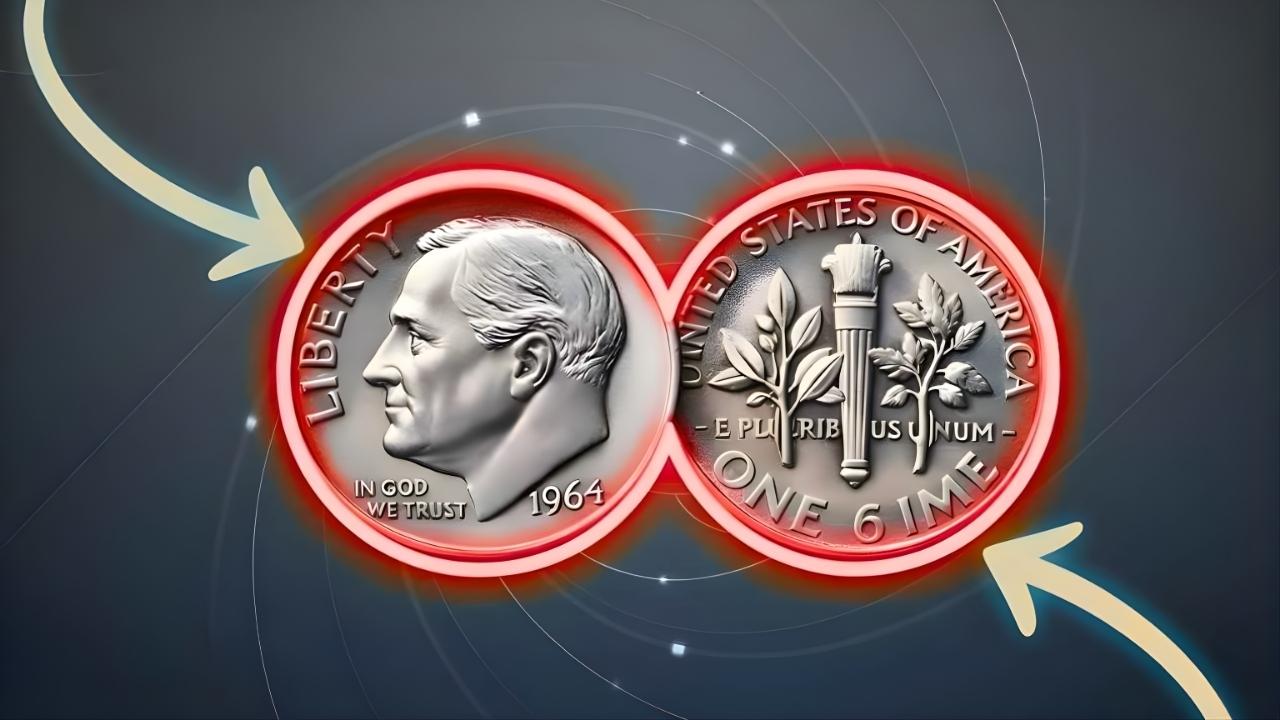
Introduced in 1946, the Roosevelt dime was created to honor President Franklin D. Roosevelt following his death. Designed by John R. Sinnock, the coin features Roosevelt’s portrait on the obverse and a torch flanked by olive and oak branches on the reverse. Dimes struck from 1946 through 1964 were made of 90 percent silver, while later issues use a copper-nickel clad composition. Despite massive mintages over decades, collector demand remains strong for early silver examples and unusual varieties.
The Historical Significance Behind the Coin
Beyond its role as currency, the Roosevelt dime carries strong historical symbolism. Roosevelt’s association with the March of Dimes made the denomination a fitting tribute, connecting the coin to public health efforts and national unity. Over time, the dime became a constant presence in American life, circulating through generations and reflecting changes in metal composition, minting technology, and economic conditions.
Why Some Roosevelt Dimes Command Extreme Prices
The idea of a Roosevelt dime valued in the millions stems from the convergence of rarity, mystery, and collector psychology. Coins associated with such figures are believed to involve extraordinary mint errors, such as being struck on the wrong metal planchet or during experimental production runs. When a coin appears to be unique or undocumented, its perceived value can rise sharply, especially if its condition is exceptional and its origin difficult to trace.
Understanding Mint Errors and Their Impact on Value
Mint errors play a major role in the Roosevelt dime market. Common errors include off-center strikes, doubled dies, clipped planchets, and weak strikes. While many minor errors add only modest premiums, severe mistakes can transform an ordinary dime into a major collectible. Errors involving incorrect metal composition are particularly desirable, as they are far rarer and often require expert analysis to confirm.
Silver Content and Early Date Appeal
Silver Roosevelt dimes remain the foundation of the series for many collectors. Coins minted between 1946 and 1964 contain intrinsic silver value, which fluctuates with precious metal markets. In higher grades, early dates from the late 1940s and 1950s can carry significant premiums beyond their melt value, especially when original luster and sharp details are preserved.

Can Valuable Roosevelt Dimes Still Be Found
One reason interest in the series persists is the belief that rare examples may still be undiscovered. Dimes circulate rapidly and are often overlooked, making it possible for unusual pieces to remain hidden in jars, drawers, or inherited collections. While the odds are low, documented discoveries from everyday sources keep collectors motivated to examine their coins closely.
How to Spot a Potentially Rare Example
Evaluating a Roosevelt dime begins with checking the date and mint mark. Coins from the early years of the series deserve closer inspection. Weight can also provide clues, as silver and clad dimes differ measurably. Unusual color, surface texture, or magnetic behavior may indicate an error or wrong-metal strike. Any coin that seems out of the ordinary should be set aside for further review.
The Role of Condition and Professional Grading
Condition is critical in determining value. Even rare Roosevelt dimes can lose much of their appeal if heavily worn or damaged. Coins with minimal wear, original surfaces, and strong eye appeal are far more attractive to collectors. Professional grading services play a key role in authenticating coins, identifying errors, and assigning standardized grades that the market trusts.
Where Collectors Commonly Discover Rare Dimes
Many notable finds come from estate sales, old albums, and family collections assembled decades ago. In the past, error coins were not always recognized or documented, allowing unusual pieces to remain unnoticed. Because Roosevelt dimes are so common, rare examples can easily blend in with ordinary coins until someone takes a closer look.

Steps to Take If You Believe You Found One
If you suspect you have a valuable Roosevelt dime, handle it carefully by the edges and avoid cleaning it. Place it in a protective holder to prevent damage. Seek evaluation from a reputable coin dealer or third-party grading service to confirm authenticity and assess condition. Accurate identification is essential before considering insurance, sale, or long-term storage.
Why the Roosevelt Dime Remains Popular in 2026
Collectors continue to gravitate toward the Roosevelt dime because it combines accessibility with the thrill of discovery. Almost everyone has encountered one, yet few understand the nuances that can turn a ten-cent coin into a prized collectible. This balance of familiarity and potential keeps the series relevant and engaging.
Final Verdict
The Roosevelt Dime Value Guide 2026 highlights how remarkable stories and genuine rarity can elevate an everyday coin into a numismatic icon. While multi-million-dollar valuations remain extraordinary and highly speculative, they underscore the importance of knowledge, careful inspection, and professional verification. Most Roosevelt dimes will never be worth more than face value, but the possibility of finding something special continues to inspire collectors.
Disclaimer
This article is provided for informational purposes only and is based on publicly available information, general numismatic knowledge, and reported market activity, which may change over time or vary by region. Coin values depend on factors such as condition, rarity, demand, and professional authentication, and should not be considered guarantees. Readers are strongly advised to verify details with official sources, certified grading services, or qualified numismatic professionals before making any buying, selling, or investment decisions.