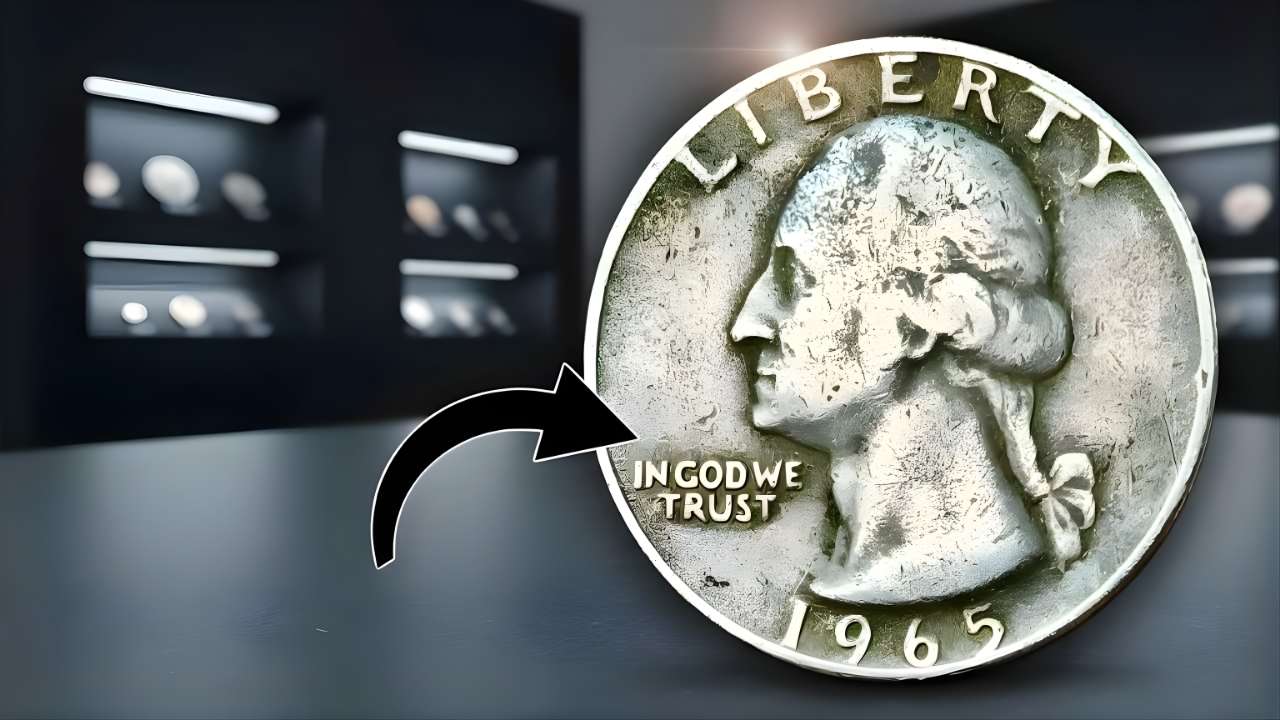
U.S. quarters are one of the most widely circulated coins in American history, often overlooked as spare change. Yet within this familiar denomination lies a fascinating world of rarity, history, and unexpected value. Certain quarters have become highly prized by collectors, selling for prices that far exceed their twenty-five-cent face value. These coins stand out due to limited production, historical importance, condition, or unusual minting errors that make them difficult to find today.
A Brief History of the U.S. Quarter
The quarter has been part of American coinage since 1796. Early designs featured Lady Liberty and an eagle, reflecting the nation’s ideals during its formative years. As decades passed, quarter designs evolved to mirror changing artistic styles and national priorities. Barber quarters of the late nineteenth century gave way to the Washington quarter in 1932, created to honor George Washington’s 200th birthday. In 1999, the State Quarters program reignited widespread public interest, introducing rotating designs that celebrated each state’s heritage.
What Makes a Quarter Worth More Than Face Value
Several factors determine why some quarters become valuable collectibles. Rarity is one of the most important, as coins produced in low numbers or for a short time are harder to obtain. Condition also plays a major role, with uncirculated and proof coins commanding far higher prices than heavily worn examples. Historical context adds appeal, particularly when a coin marks a design transition or significant era. Minting errors further increase value, especially when they are dramatic or unique.
Famous Rare U.S. Quarters Collectors Seek
Among the most desirable quarters is the 1932-D Washington quarter, which had a relatively low mintage and is difficult to locate in high grades. The 1916 Standing Liberty quarter is another standout, valued for its limited first-year production and distinctive design. Error coins also attract serious attention, such as the 1970-S Washington quarter reportedly struck on a foreign planchet, which has become legendary in numismatic circles. Even modern issues like select State Quarters can carry strong premiums when errors or pristine condition are involved.
Bicentennial and Modern Quarters With Collector Appeal
Bicentennial quarters issued in 1976 are commonly found, but certain versions still attract collectors. Proof strikes, silver composition examples, and coins with notable errors are especially sought after. While most circulated Bicentennial quarters are worth only face value, higher-grade or unusual pieces demonstrate that even modern coins can become collectibles under the right circumstances.
How Mint Errors Increase Quarter Values
Mint errors occur when something goes wrong during the production process. Off-center strikes, doubled designs, clipped planchets, and wrong-metal strikes are among the most desirable errors. Because quality control usually catches mistakes, major errors are rare. When they reach circulation or survive in excellent condition, collectors often compete aggressively to acquire them, driving prices well above normal market levels.

Identifying Valuable Quarters in Your Collection
Collectors evaluating quarters should begin by examining the date and mint mark. Coins from certain years or mints are known to be scarcer. Close inspection for doubling, unusual alignment, or strange coloration may reveal an error. Condition matters greatly, as sharp details and original surfaces enhance value. Even subtle differences can mean the difference between an ordinary coin and a valuable collectible.
Can Rare Quarters Still Be Found in Circulation
Although uncommon, valuable quarters do occasionally surface in everyday places. Inherited collections, old jars of change, or accidental spending can put rare coins back into circulation. While the likelihood is low, documented discoveries keep collectors motivated to keep searching. The possibility of finding a valuable quarter in pocket change adds an element of excitement to the hobby.
The Role of Professional Grading and Authentication
Professional grading services are essential in today’s coin market. They authenticate coins, identify errors, and assign standardized grades that help establish market value. Certified coins are generally easier to sell and inspire greater confidence among buyers. For potentially valuable quarters, professional evaluation is often the key step that turns curiosity into confirmed worth.
The Market Demand for Rare Quarters
The market for rare quarters remains strong, driven by collector interest, historical significance, and the appeal of tangible assets. Auctions frequently showcase intense competition for top examples, particularly those with strong provenance or exceptional condition. As new collectors enter the hobby, demand continues to support long-term interest in rare quarter varieties.

Why Collectors Remain Passionate About Quarters
Quarter collecting combines accessibility with depth. Almost everyone has handled a quarter, yet few realize how complex the series can be. Each rare example tells a story of American history, artistry, and chance. This blend of familiarity and discovery keeps collectors engaged and fuels ongoing enthusiasm for the denomination.
Final Verdict
Rare U.S. quarters demonstrate that extraordinary value can exist within ordinary currency. While most quarters will never be worth more than their face value, select examples stand apart due to rarity, condition, historical relevance, or remarkable minting errors. For collectors, the pursuit is as rewarding as the potential profit, offering a deeper appreciation of history and the thrill of discovery.
Disclaimer
This article is intended for informational purposes only and is based on publicly available numismatic knowledge and reported market activity, which may change over time or vary by region. Coin values depend on factors such as condition, rarity, demand, and professional authentication, and should not be considered guarantees. Readers are advised to verify details with official sources, certified grading services, or qualified coin professionals before making any buying, selling, or investment decisions.