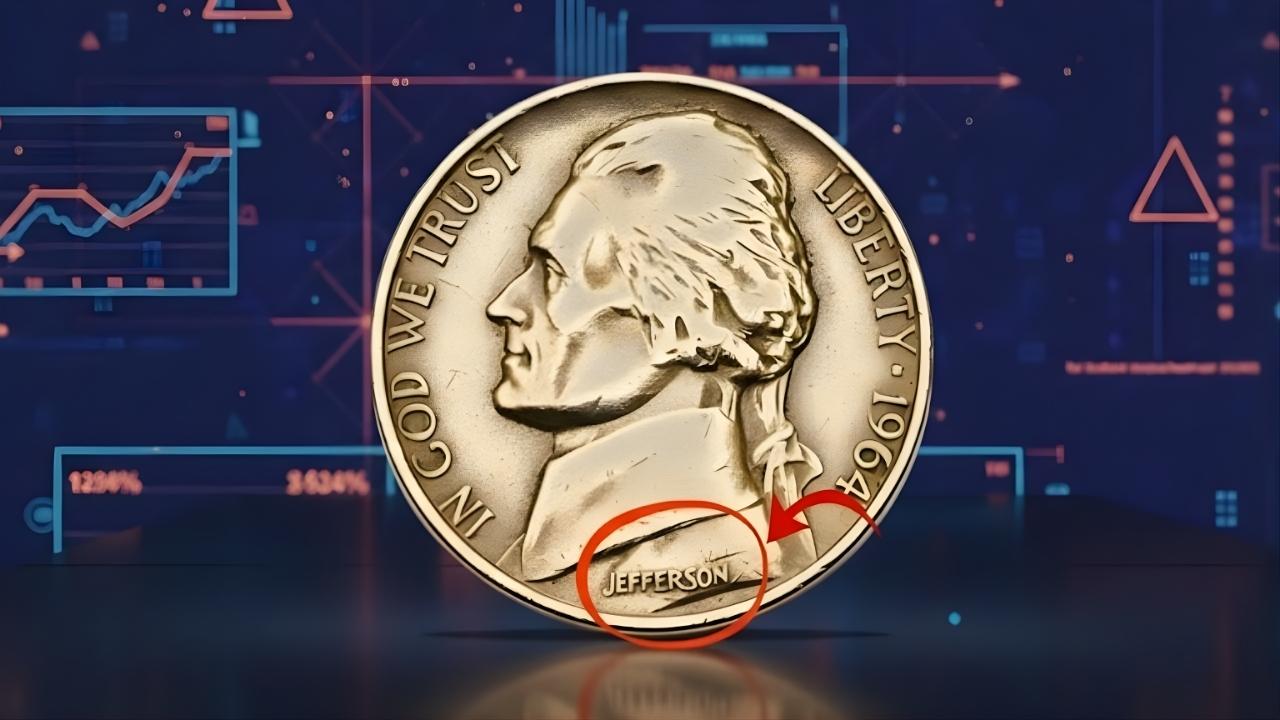
Coin collecting often blends history with imagination, and few modern coins generate as much online buzz as the Kennedy Half Dollar. Headlines claiming a Kennedy Half Dollar is worth $6.9 million have captured attention across social media and search engines. These stories tap into the universal hope that an everyday object might secretly be a fortune. However, separating reality from exaggeration is essential for collectors who want accurate information rather than viral myths.
The Origins of the Kennedy Half Dollar
The Kennedy Half Dollar was introduced in 1964 as a tribute to President John F. Kennedy following his assassination. The speed at which the coin was approved and released reflected the nation’s collective grief and respect. Designed by Gilroy Roberts and Frank Gasparro, the coin featured Kennedy’s portrait on the obverse and the presidential seal on the reverse. Early issues were struck in 90 percent silver, immediately giving the coin both emotional and intrinsic value.
Why Kennedy Half Dollars Attract So Much Attention
Few U.S. coins carry the same cultural weight as the Kennedy Half Dollar. It represents a pivotal moment in American history and was widely saved by the public during its first year. Because millions were hoarded, many people still own Kennedy Half Dollars today, fueling curiosity about whether any might be exceptionally valuable. This widespread ownership makes the coin an ideal candidate for sensational claims.
Examining the $6.9 Million Valuation Claim
Despite widespread circulation of the $6.9 million figure, there is no verified auction record or certified sale supporting such a valuation. No Kennedy Half Dollar has ever sold for anything close to that amount. The claim appears to stem from exaggerated online articles, misinterpreted listings, or confusion with other legendary U.S. coins that truly have sold for millions. While the story is exciting, it does not reflect documented numismatic reality.
What Actually Determines Kennedy Half Dollar Value
The real value of a Kennedy Half Dollar depends on several measurable factors. Rarity plays a major role, particularly for coins produced in limited quantities or under unusual circumstances. Condition is equally important, as uncirculated or proof coins are far more desirable than worn examples. Metal composition matters as well, with early silver issues holding greater value than later copper-nickel versions. Historical context and collector demand further influence prices.
Legitimately Valuable Kennedy Half Dollar Varieties
Although the $6.9 million claim is a myth, there are genuinely valuable Kennedy Half Dollars that collectors actively seek. The 1964 Special Mint Set Kennedy Half Dollar is one of the rarest, with confirmed examples selling for tens of thousands of dollars. The 1970-D Kennedy Half Dollar, struck only for collector sets, is another key date. Proof issues with deep cameo contrast and rare minting errors such as doubled dies or off-center strikes can also command strong premiums.

Common Errors and Misunderstandings
One reason myths persist is confusion over error coins. While error Kennedy Half Dollars can be valuable, most errors are minor and worth only modest premiums. Dramatic errors that significantly increase value are rare and must be authenticated. Another misunderstanding involves online listings where sellers ask unrealistic prices, which are sometimes mistaken for actual values. Asking price does not equal confirmed sale price.
How Sensational Headlines Spread Coin Myths
In the digital age, eye-catching headlines travel faster than verified facts. Articles promising multimillion-dollar pocket change finds are designed to attract clicks rather than educate readers. These stories often omit critical context, such as auction history or professional grading standards. For collectors, relying on reputable sources is the best defense against misinformation.
How to Identify a Potentially Valuable Kennedy Half Dollar
Collectors examining Kennedy Half Dollars should start with the basics. Check the year and mint mark, paying close attention to 1964 issues and low-mintage dates like 1970-D. Inspect the coin for unusual features such as doubling, misalignment, or planchet errors. Evaluate overall condition, noting wear, luster, and surface quality. When a coin appears promising, professional grading is essential to confirm authenticity and market value.
Realistic Value Ranges Collectors Should Expect
Most Kennedy Half Dollars from the 1970s onward are worth face value unless in exceptional condition. Silver issues from 1964 through 1970 generally carry value tied to silver content, often ranging from several dollars to higher amounts for uncirculated pieces. Rare varieties and major errors can reach into the thousands or, in exceptional cases, tens of thousands. These figures reflect genuine market behavior rather than viral exaggeration.

Why Collectors Still Love the Kennedy Half Dollar
Even without million-dollar valuations, the Kennedy Half Dollar remains a favorite among collectors. Its design, historical importance, and accessibility make it an ideal entry point into numismatics. Many collectors appreciate the series for sentimental reasons, remembering the era in which the coin was introduced. The joy of collecting lies as much in historical connection as in financial potential.
Final Verdict
The idea of a $6.9 million Kennedy Half Dollar is a myth fueled by sensational headlines rather than documented sales. While no Kennedy Half Dollar has achieved such an extraordinary price, certain rare varieties, error coins, and high-grade examples can still be valuable and rewarding to collect. Understanding the difference between hype and verified value allows collectors to focus on genuine opportunities and enjoy the hobby with confidence.
Disclaimer
This article is provided for informational purposes only and is based on publicly available information, general numismatic references, and reported auction data, which may change over time or vary by region. Coin values depend on factors such as condition, rarity, demand, authentication results, and market trends, and should not be considered guarantees. Readers are strongly advised to verify details with certified grading services, reputable dealers, or qualified numismatic professionals before making any buying, selling, or collecting decisions.