Coin collecting continues to thrive in 2026, and few coins capture the imagination quite like the Buffalo Nickel. Once an everyday five-cent piece, this coin now represents one of the most artistic and historically meaningful designs ever issued by the U.S. Mint. Stories of valuable Buffalo Nickels being discovered in drawers, jars, and even childhood piggy banks have renewed interest among collectors. While many examples remain affordable, certain dates, varieties, and well-preserved coins can be worth hundreds or even thousands of dollars today.
The Origins of the Buffalo Nickel
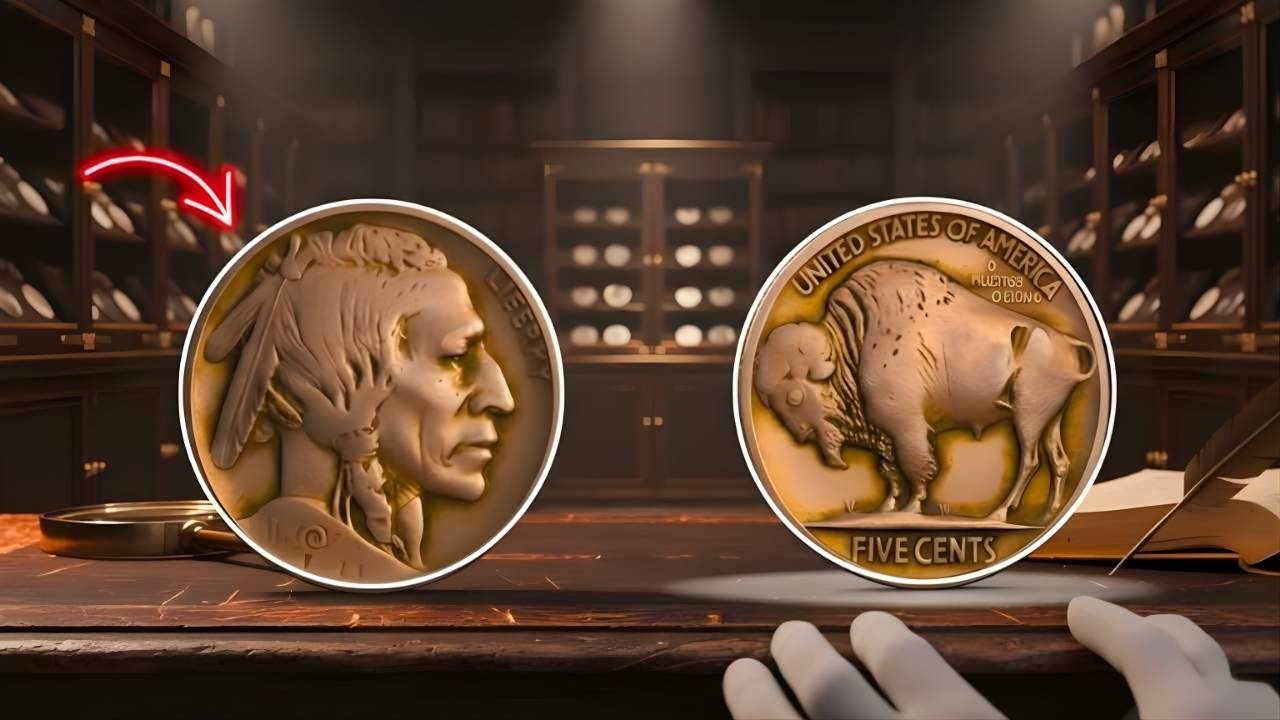
The Buffalo Nickel was first introduced in 1913, replacing the Liberty Head Nickel that had been in circulation since the late 1800s. Sculptor James Earle Fraser created the design to reflect a distinctly American identity. The obverse features a powerful Native American profile inspired by multiple tribal leaders, while the reverse depicts an American bison, a symbol of the fading frontier. This marked a departure from traditional European-style coin designs and signaled a new era of artistic expression in U.S. coinage.
Why Buffalo Nickels Wear So Easily
One of the defining characteristics of Buffalo Nickels is their tendency to wear quickly. The high-relief design, especially the date and the buffalo’s legs, often faded after years of circulation. As a result, fully dated and sharply struck examples are far scarcer than mintage numbers suggest. This natural wear is one of the main reasons high-grade Buffalo Nickels command strong premiums in today’s market.
Factors That Determine Buffalo Nickel Value
Several elements influence the value of a Buffalo Nickel in 2026. Rarity plays a major role, particularly for coins from low-mintage years or specific mint locations. Condition is equally important, as coins with strong details and minimal wear are increasingly difficult to find. Minting errors and unusual die varieties add another layer of desirability. Historical significance and collector demand ultimately bring all these factors together to shape market prices.
Key Dates and Highly Sought-After Varieties
Certain Buffalo Nickels are widely recognized as key dates. The 1913 issue comes in two distinct types, with Type 1 featuring the buffalo standing on a raised mound. Early San Francisco issues are known for lower mintages, making them difficult to locate in high condition. The most famous variety is the 1937-D Three-Legged Buffalo Nickel, created when over-polishing removed one of the buffalo’s legs. This dramatic error transformed a common coin into one of the most valuable nickels in U.S. history.
The Famous Piggy Bank Buffalo Nickel Discovery
One of the most talked-about Buffalo Nickel stories involves a coin found inside an old piggy bank that had not been opened in decades. Initially dismissed as ordinary pocket change, closer examination revealed it to be a well-preserved 1913 Type 1 Buffalo Nickel. Unlike most examples from that era, the coin retained strong design details and a clear date. After professional evaluation, it was valued at approximately $3,000, proving that forgotten coins can still hold remarkable surprises.

Other Real-Life Buffalo Nickel Finds
Stories like the piggy bank discovery are not isolated cases. Collectors regularly report finding valuable Buffalo Nickels in inherited collections, old envelopes, and long-forgotten coin rolls. In some cases, entire rolls stored away since the early 20th century have surfaced, revealing rare dates in exceptional condition. These discoveries keep collectors motivated and highlight the importance of checking older coins carefully.
How to Identify a Valuable Buffalo Nickel
Identifying a valuable Buffalo Nickel requires patience and attention to detail. Collectors should begin by examining the date and mint mark, focusing on known key years. The buffalo’s legs and the Native American profile should be checked for unusual features or missing details that could indicate an error. Condition is critical, so coins with readable dates, strong rims, and minimal wear deserve closer inspection. Professional grading is strongly recommended for coins that appear rare or high quality.

The Role of Professional Grading in 2026
Professional grading services play a vital role in today’s coin market. Certified Buffalo Nickels are easier to sell, easier to insure, and often bring higher prices at auction. Grading confirms authenticity, protects against counterfeits, and provides a standardized assessment of condition. For coins potentially worth thousands, certification is an essential step.
Why Collectors Still Love Buffalo Nickels
Beyond value, Buffalo Nickels remain popular because of their striking design and cultural significance. They represent a moment when American coinage embraced bold imagery tied to national identity. Even common examples are appreciated for their artistry, while rare pieces offer both historical connection and financial potential. As fewer high-quality examples remain, collector interest continues to grow.

Final Verdict
The Buffalo Nickel stands as one of the most iconic coins in U.S. history. In 2026, its value ranges from modest sums for worn examples to thousands of dollars for rare dates, errors, and exceptional condition coins. Stories like the $3,000 piggy bank find remind collectors that hidden treasures still exist. Whether pursued for history, design, or investment potential, the Buffalo Nickel remains a timeless favorite in the world of coin collecting.
Disclaimer
This article is for informational purposes only and is based on publicly available numismatic references and reported collector data, which may change over time or vary by region and market conditions. Coin values depend on factors such as rarity, condition, authentication results, and demand, and should not be considered guarantees. Readers are advised to verify details with certified grading services, official auction records, or qualified numismatic professionals before making any buying, selling, or investment decisions.