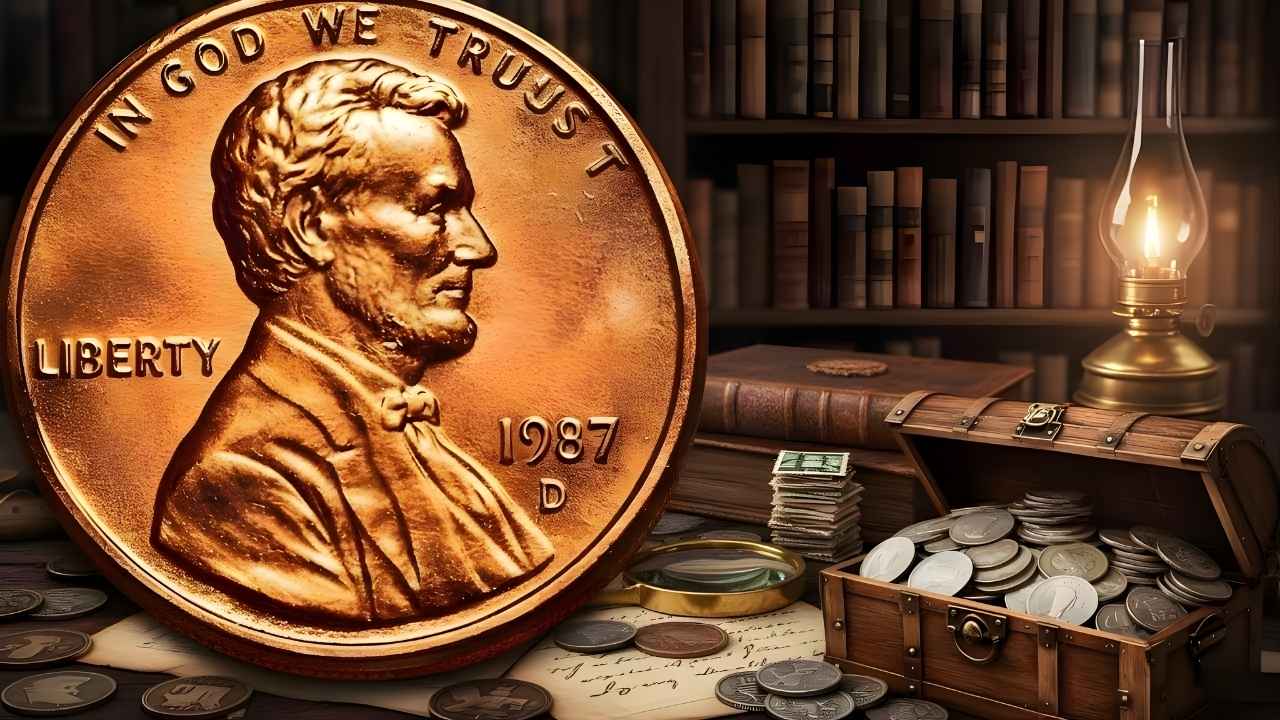
The Lincoln Wheat Penny is one of the most recognizable and widely collected coins in American history. Minted from 1909 through 1958, it represents a turning point in U.S. coinage by becoming the first circulating coin to feature a real historical figure. For collectors in 2026, Wheat Pennies continue to offer an appealing mix of affordability, history, and the possibility of uncovering rare and valuable examples.
Origins and Design of the Wheat Penny
The Wheat Penny was introduced in 1909 to honor the 100th anniversary of Abraham Lincoln’s birth. Designed by sculptor Victor David Brenner, the coin features Lincoln’s profile on the obverse and two wheat ears on the reverse framing the words One Cent. The wheat design symbolized America’s agricultural foundation and prosperity. This reverse design remained unchanged until 1959, when it was replaced by the Lincoln Memorial.
Why Wheat Pennies Still Matter to Collectors
Wheat Pennies are popular because they are accessible while still offering genuine rarities. Many collectors remember finding them in pocket change, which adds nostalgia to their appeal. In 2026, collectors value Wheat Pennies not just for price potential but for their role in telling the story of early 20th-century America, including economic hardship, war, and industrial growth.
Key Dates and Rare Wheat Pennies
Certain Wheat Pennies stand out as legendary within the hobby. The 1909 S VDB is one of the most famous U.S. coins due to its low mintage and the controversy surrounding the designer’s initials. The 1914 D is another highly sought-after coin because few survived in high condition. The 1922 No D penny resulted from a minting error where the Denver mint mark was worn away, creating a major rarity.
The 1943 Steel and Copper Wheat Pennies
World War II had a major impact on Wheat Penny production. In 1943, copper was needed for the war effort, so the U.S. Mint produced pennies from zinc-coated steel. These steel cents are common today and usually worth modest amounts. However, a small number of 1943 pennies were mistakenly struck on leftover copper planchets. These 1943 copper Wheat Pennies are among the most valuable U.S. coins ever made, with verified examples selling for hundreds of thousands of dollars.
The Famous 1955 Doubled Die Wheat Penny
The 1955 Doubled Die Wheat Penny is one of the most visually striking error coins. A misalignment during die creation caused strong doubling on the date and lettering, easily visible without magnification. Because the error was not caught immediately, many entered circulation. Today, this coin remains one of the most popular Wheat Penny varieties, with values heavily influenced by condition.

Factors That Determine Wheat Penny Values
Several elements influence how much a Wheat Penny is worth in 2026. Rarity is the most important factor, especially for low-mintage coins or error varieties. Condition plays a major role, as mint state coins are far more valuable than heavily worn examples. Mint marks also matter, with San Francisco and Denver issues often being scarcer than Philadelphia coins. Historical context, such as wartime production or design changes, further increases collector interest.
How to Identify Valuable Wheat Pennies
Collectors should start by checking the date and mint mark, paying close attention to known key years. Using a magnifying glass helps identify errors like doubling or missing mint marks. Color and surface quality also provide clues about originality and condition. Careful handling is essential, as cleaning or damaging a coin can significantly reduce its value.
The Importance of Professional Grading
Professional grading services provide authentication and standardized condition ratings. Certified Wheat Pennies are easier to sell and often command higher prices. Grading is especially important for rare dates and high-value error coins, as counterfeits and altered coins do exist in the market.
Building a Wheat Penny Collection
There are many ways to collect Wheat Pennies. Some collectors aim to complete a full date and mint set, while others focus on key dates or error coins. Beginners often start with common circulated examples before gradually upgrading. Building a collection takes patience, research, and a willingness to learn from experience.

Collector Tips for Long-Term Success
Successful collectors educate themselves through books, online resources, and coin shows. Storing coins in proper holders protects them from damage. Buying from reputable dealers reduces risk, and taking time to understand the market helps avoid overpaying. Above all, consistency and patience are essential for building a meaningful collection.
Final Verdict
The Lincoln Wheat Penny remains a cornerstone of American coin collecting in 2026. Its historical importance, iconic design, and wide range of values make it appealing to both beginners and seasoned collectors. From affordable common dates to legendary rarities worth life-changing sums, Wheat Pennies continue to prove that small coins can hold remarkable stories and lasting value.
Disclaimer
This article is for informational purposes only and is based on publicly available numismatic knowledge that may change over time or vary by region and market conditions. Coin values depend on factors such as rarity, condition, grading, and collector demand. Readers are advised to verify details with official grading services, trusted auction records, or qualified numismatic professionals before making any buying, selling, or investment decisions.