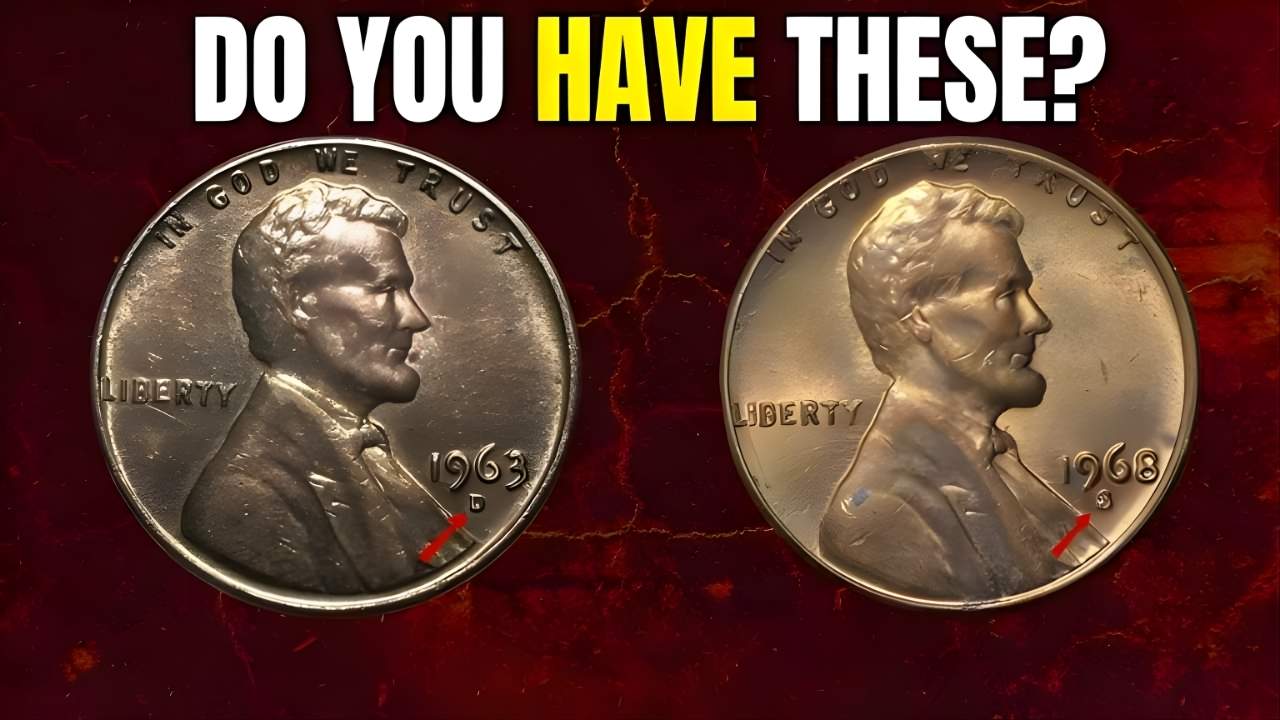
The Lincoln penny is one of the most familiar coins in American history, yet its true value often goes unnoticed. Introduced in 1909, this one-cent coin has circulated for more than a century, reflecting changes in design, metal composition, and national priorities. For collectors, the Lincoln penny is far more than spare change. Certain years and mint marks can be worth hundreds, thousands, or even more, making a detailed value chart by year and mint essential for anyone serious about collecting.
Historical Background of the Lincoln Penny
The Lincoln penny replaced the Indian Head cent in 1909 to commemorate the 100th anniversary of Abraham Lincoln’s birth. Designed by Victor David Brenner, it became the first circulating U.S. coin to feature a real historical figure. Early public reaction to Brenner’s initials on the reverse led to their removal, creating one of the most famous key dates in American coinage. Since then, the Lincoln penny has undergone several design updates while remaining a constant presence in U.S. currency.
Lincoln Penny Value Chart by Era
Lincoln penny values vary widely depending on age, mint mark, condition, and rarity. Grouping coins by era helps collectors quickly understand where the greatest value potential lies.
Lincoln Penny Value Overview Table
Era or Year Range Key Characteristics Typical Collector Value
1909–1919 Early issues, VDB varieties, low mintages High to very high
1920–1939 Lower survival rates, key dates Medium to high
1940–1958 Wheat reverse, wartime issues Low to very high (errors)
1959–1981 Memorial reverse, copper cents Low to medium
1982–Present Zinc composition, modern errors Face value to medium
Early Lincoln Pennies from 1909 to 1919
The earliest Lincoln pennies are among the most valuable in the series. The 1909-S VDB stands out as the most famous key date, prized for its limited mintage and historical controversy. Other early San Francisco and Denver mint issues from this era are also highly collectible, especially in higher grades. These coins often show heavy wear, making well-preserved examples increasingly rare.
Scarce Lincoln Pennies from the 1920s and 1930s
Pennies minted during the 1920s and 1930s often have lower survival rates due to economic hardship and heavy circulation. The 1914-D and the 1922 No D are standout rarities from this period. The 1922 No D penny resulted from worn Denver dies that failed to leave a mint mark, creating one of the most recognizable error coins in U.S. history. Coins from this era tend to rise significantly in value when found in better condition.

Wartime and Wheat Pennies from 1940 to 1958
The Wheat Penny era includes some of the most popular Lincoln cents ever collected. During World War II, the U.S. Mint temporarily switched to steel planchets in 1943 to conserve copper. These steel pennies are easily identified and widely collected. Even more valuable are the rare 1943 copper pennies struck by mistake, which are among the most expensive Lincoln cents known. The period also includes famous doubled die varieties that continue to attract strong demand.
The 1955 Doubled Die Lincoln Penny
The 1955 doubled die penny is one of the most famous error coins in American numismatics. Strong doubling on the date and lettering makes it visible to the naked eye, which has helped fuel its popularity for decades. Values remain strong in 2026, particularly for authenticated examples in higher grades. This coin is often considered a must-have for serious Lincoln cent collectors.
Lincoln Memorial Pennies from 1959 to 1981
In 1959, the Lincoln penny received a new reverse design featuring the Lincoln Memorial. Pennies from this era were still struck primarily in copper and are generally affordable. However, certain high-grade examples and error varieties can command premiums. This period appeals to collectors building complete date and mint mark sets without the extreme costs associated with earlier issues.
Composition Changes After 1982
Rising copper prices led the U.S. Mint to change the Lincoln penny’s composition in 1982 from solid copper to copper-plated zinc. This transition year produced multiple varieties that collectors closely study. Most modern pennies are worth face value, but errors such as doubled dies, off-center strikes, and wrong planchet coins can be surprisingly valuable.

Factors That Determine Lincoln Penny Value
Several factors influence Lincoln penny values. Rarity and mintage numbers play a major role, but condition is equally important. Coins graded in mint state often sell for significantly more than circulated examples. Errors and varieties can greatly increase desirability, while collector demand and market trends influence prices year to year.
Collecting Strategies for Lincoln Pennies
Collectors approach Lincoln pennies in different ways. Some aim to complete full collections by year and mint mark, while others focus on key dates or error coins. Budget-friendly collectors may concentrate on high-quality common dates, while advanced collectors pursue rare and certified examples. Regardless of strategy, knowledge and patience are essential.
Proper Storage and Preservation
Preserving Lincoln penny value requires careful handling and storage. Coins should be kept in protective holders to minimize exposure to air and moisture. Cleaning should always be avoided, as it can permanently damage surfaces and reduce value. For rare or high-grade coins, professional grading provides authentication and market credibility.
Final Verdict
The Lincoln penny value chart by year and mint reveals just how diverse and rewarding this series can be. From early VDB rarities to modern error coins, Lincoln pennies offer opportunities for collectors at every level. Understanding how year, mint mark, condition, and composition affect value allows collectors to better identify hidden treasures and build collections with lasting appeal.
Disclaimer
This article is provided strictly for informational purposes only and is based on publicly available data, historical records, and general numismatic market observations that may vary by region, grading standards, or future updates. Coin values mentioned are approximate and can change due to market demand, condition, authentication, and auction results. This content should not be considered financial or investment advice. Readers are strongly advised to verify all details through official sources, certified grading services, or qualified numismatic professionals before making any buying, selling, or collecting decisions.