The Lincoln Wheat Penny holds a unique place in U.S. coinage because it marked a profound shift in how Americans viewed their currency. Introduced in 1909 to commemorate the 100th anniversary of Abraham Lincoln’s birth, it became the first circulating U.S. coin to feature a real historical figure. Until then, American coins relied on symbolic imagery rather than portraits of individuals. Sculptor Victor David Brenner’s dignified depiction of Lincoln instantly resonated with the public, while the wheat ears on the reverse symbolized national strength, unity, and agricultural prosperity. This single design decision permanently changed the direction of American numismatic art.
Design Origins and Symbolism
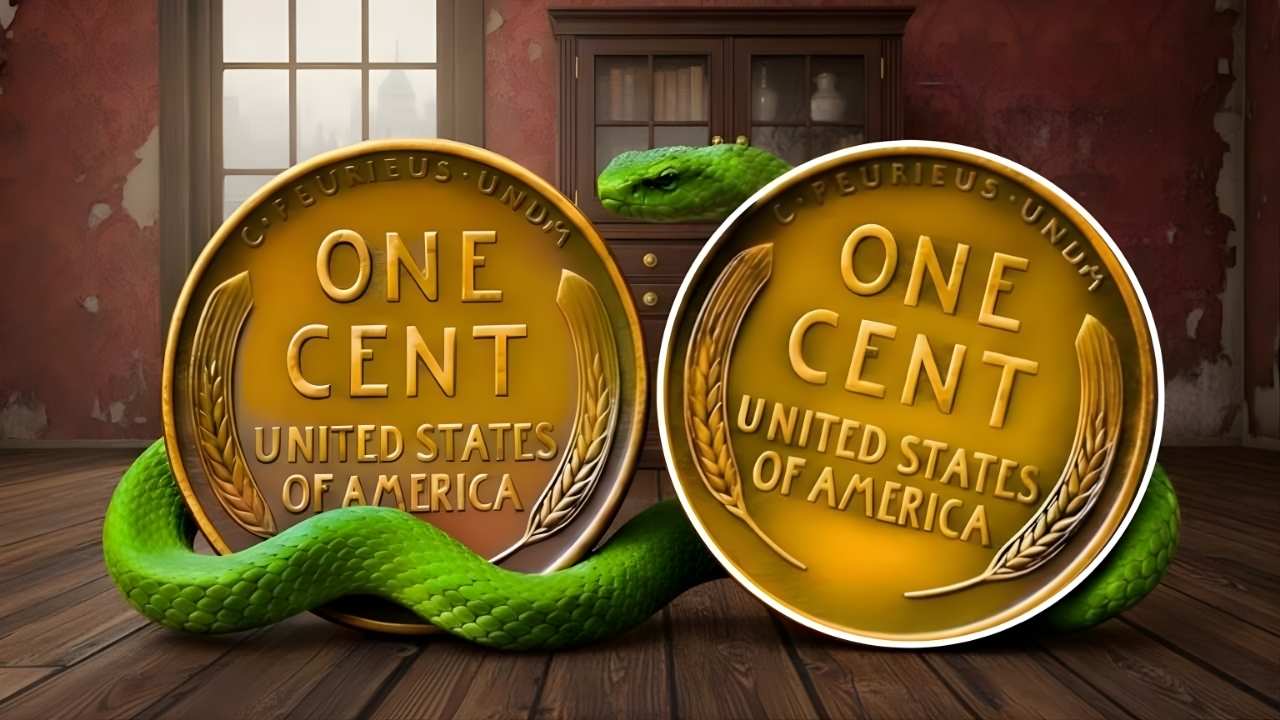
Brenner’s design balanced realism with restraint. Lincoln’s portrait was modeled from a plaque Brenner had created years earlier, giving the coin a sense of authenticity and respect. The reverse design, featuring two wheat stalks framing the words One Cent and United States of America, conveyed abundance and stability during a time of national growth. The simplicity of the design helped the Wheat Penny remain visually consistent for nearly half a century, allowing it to become one of the most recognizable coins in American history.
Public Reaction and the VDB Controversy
When the Wheat Penny entered circulation, public reaction was overwhelmingly positive. Americans appreciated seeing Lincoln honored on everyday money, and many saved early examples as keepsakes. However, controversy quickly followed when critics objected to the prominent placement of Brenner’s initials, VDB, on the reverse. The U.S. Mint removed the initials shortly after release, unintentionally creating one of the most famous rarities in coin collecting. The 1909-S VDB Wheat Penny, struck in limited numbers before the change, remains one of the most sought-after U.S. coins today.
The Wheat Penny in Everyday American Life
From 1909 to 1958, Wheat Pennies circulated through decades of economic change, world wars, and social transformation. They were used to buy newspapers, candy, stamps, and household essentials, becoming a constant presence in daily transactions. Because they circulated for so long, most Wheat Pennies show heavy wear, which makes well-preserved examples increasingly scarce. Their widespread use also explains why so many survive today, often discovered in old jars, family collections, or inherited estates.
Wartime Changes and the 1943 Steel Penny
World War II brought dramatic challenges to U.S. coinage. Copper was needed for military equipment, forcing the Mint to change the penny’s composition in 1943. That year, cents were struck in zinc-coated steel, giving them a distinctive silver-gray appearance. While millions of steel cents were produced, a small number of copper planchets were accidentally used. These 1943 copper Wheat Pennies are among the most legendary error coins ever discovered, with verified examples selling for extraordinary sums. Their existence highlights how historical circumstances can create some of the rarest collectibles.
Key Dates and Famous Wheat Penny Errors
Several Wheat Pennies stand apart due to limited mintages or production mistakes. The 1914-D is highly prized because relatively few were minted and many entered circulation immediately. The 1922 No D penny resulted from a worn die that failed to strike the mint mark, creating a distinct error eagerly sought by collectors. The 1955 doubled die penny, featuring dramatic doubling on the date and lettering, remains one of the most visually striking error coins in American numismatics. These coins illustrate how small variations can dramatically influence value.

How Condition Determines Value
Condition plays a critical role in Wheat Penny valuation. Coins that circulated heavily often retain modest value, even when they are older. In contrast, uncirculated or lightly worn examples with sharp details and original luster can command significant premiums. Professional grading services evaluate surface preservation, strike quality, and overall eye appeal, providing standardized grades that help establish market confidence. High-grade Wheat Pennies are far rarer than their circulated counterparts, which explains their strong auction performance.
Common Myths About Wheat Penny Value
Many people assume all Wheat Pennies are valuable simply because they are old. In reality, most are common and worth only slightly above face value. Stories of six-figure sales often involve rare errors or exceptional condition, not typical examples. Understanding the difference between common dates and true rarities helps collectors avoid disappointment and focus their efforts more effectively.
Collecting Wheat Pennies in the Modern Era
The Lincoln Wheat Penny remains one of the most approachable coin series for collectors. Beginners can assemble date sets at modest cost, while advanced collectors pursue rare mint marks, errors, and high-grade specimens. The long production run offers depth and variety, allowing collectors to specialize according to interest and budget. Its historical significance adds emotional value that extends beyond price alone.
Why the Wheat Penny Still Captivates Collectors
The enduring appeal of the Wheat Penny lies in its ability to connect history with everyday life. Each coin represents a specific moment in America’s past, from the optimism of the early 20th century to the sacrifices of wartime production. Collectors value these pennies not only for rarity but also for the stories they tell, making them timeless artifacts of national identity.

Final Verdict
The Lincoln Wheat Penny stands as one of the most influential coins ever produced by the United States Mint. From its groundbreaking introduction in 1909 to its retirement in 1958, it reflects artistic innovation, historical change, and cultural values. While only a small percentage of Wheat Pennies are truly rare, every example carries a legacy that continues to inspire collectors and preserve America’s numismatic heritage.
Disclaimer
This article is for informational purposes only and is based on publicly available information, historical records, and general numismatic references as of 2026. Coin values can vary widely depending on condition, authenticity, grading standards, market demand, and regional factors, and prices mentioned may change over time. Readers are strongly advised to verify details with official sources, certified grading services, or qualified numismatic professionals before making any buying, selling, or investment decisions related to rare coins.