The U.S. State Quarters Program reshaped modern coin collecting when it launched in 1999, turning everyday quarters into miniature tributes to American history. While billions of coins were produced, a small number escaped the mint with unexpected errors or unique die variations. In 2026, these rare state quarters continue to generate excitement, with some selling for hundreds or even thousands of dollars. Their appeal lies in the fact that many were once ordinary pocket change, making the hunt both thrilling and accessible.
How Mint Errors Create Valuable State Quarters
Mint errors occur when something goes wrong during the striking process, such as misaligned planchets, clogged dies, or unintended die damage. Most flawed coins are caught and destroyed, but a few make it into circulation. These survivors become collectibles because they are both scarce and visually distinctive. Unlike commemorative issues intentionally produced for collectors, error quarters are accidental, giving them a sense of rarity that drives long-term demand.

Rare State Quarters Value Overview for 2026
Certain error varieties consistently rank among the most valuable state quarters.
State Quarter Error Value Snapshot
State Year Error Type Estimated Value Range
Wisconsin 2004-D Extra leaf variety $500 to $5,000+
Minnesota 2005-P Extra tree lines $100 to $1,000
Delaware 1999-P Doubled die $250 to $3,000
Kansas 2005-D In God We Rust error $200 to $2,000
Georgia 1999 Off-center strike $300 to $2,500
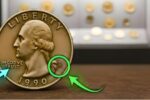
Wisconsin 2004-D Extra Leaf Error Explained
The Wisconsin quarter featuring a cow, cheese wheel, and corn stalk became legendary due to an unexpected design addition. Some Denver-minted coins show an extra leaf on the corn, appearing either higher or lower than intended. The origin of this error is still debated, but its impact is undeniable. Because relatively few entered circulation, collectors aggressively pursue clean, well-defined examples. High-grade specimens remain among the most valuable state quarters in 2026.
Minnesota 2005-P Extra Tree Line Variety
At first glance, the Minnesota quarter appears normal, showing a peaceful lake bordered by pine trees. On select Philadelphia issues, however, extra lines appear among the trees due to die cracks. These additional lines create the illusion of more tree trunks than originally designed. The appeal of this error lies in its subtlety, rewarding collectors who enjoy close inspection and careful comparison. Coins with clearly defined extra lines and minimal wear continue to gain interest.
Delaware 1999-P Doubled Die Quarter
As the first release of the entire State Quarters Program, the Delaware quarter already holds a special place in numismatic history. Some 1999 Philadelphia examples display doubled die errors that affect lettering and the famous horse-and-rider design. Because these coins circulated heavily in the program’s early days, finding a sharply preserved example is increasingly difficult. This combination of historical importance and genuine rarity makes the Delaware doubled die one of the most desirable state quarters today.
Kansas 2005-D In God We Rust Error
The Kansas quarter is famous for one of the most recognizable mint errors ever produced. Due to grease filling part of the die, the motto In God We Trust appears as In God We Rust on some coins. The error is immediately noticeable and requires no magnification, which has fueled widespread collector interest. Coins showing stronger lettering loss and better overall condition typically bring the highest prices.
Georgia 1999 Off-Center Strike Quarters
Off-center strikes are among the most visually dramatic mint errors. Some 1999 Georgia quarters were struck while the blank was improperly aligned, resulting in missing design elements and blank areas along the edge. The value of these errors depends on how far off-center the strike appears and whether the date remains visible. Well-preserved examples with significant misalignment continue to command strong premiums in 2026.
Why Condition Matters So Much for Error Quarters
Condition plays a major role in determining value, even for error coins. Uncirculated examples with sharp details and minimal handling marks are far more desirable than heavily worn pieces. Collectors prefer coins that clearly display the error without excessive damage or corrosion. Professional grading can help establish authenticity and condition, often increasing buyer confidence and resale potential.
The Appeal of Searching for Rare State Quarters
One reason state quarter collecting remains popular is the thrill of discovery. Many collectors search bank rolls, inherited collections, or old coin jars, knowing valuable errors can still surface. Unlike older coins that rarely appear outside auctions, state quarters offer the possibility of finding something special in everyday places, even decades after their release.
Investment Potential of Rare State Quarters
While not every error quarter is a guaranteed investment, certain varieties have demonstrated steady appreciation over time. Coins like the Wisconsin Extra Leaf and Delaware Doubled Die remain consistently in demand. Long-term success depends on authentication, proper storage, and an understanding of market trends. For collectors willing to be patient, rare state quarters can combine enjoyment with financial upside.
Final Verdict
The State Quarters Program produced more than just circulating currency; it created a generation of collectors and uncovered a surprising number of valuable errors. In 2026, rare state quarters with distinctive mint mistakes continue to stand out as hidden collector gems. From dramatic off-center strikes to subtle die variations, these coins prove that even modern change can hold extraordinary value for those who know what to look for.
Disclaimer
This article is for informational purposes only and is based on publicly available numismatic data, collector observations, and general market trends that may vary by region, coin condition, grading standards, and future discoveries. Coin values mentioned are approximate and subject to change due to fluctuations in collector demand and market conditions. This content should not be considered financial, investment, or appraisal advice. Readers are strongly encouraged to verify all details with certified grading services, reputable coin dealers, or official numismatic sources before making any buying, selling, or collecting decisions.