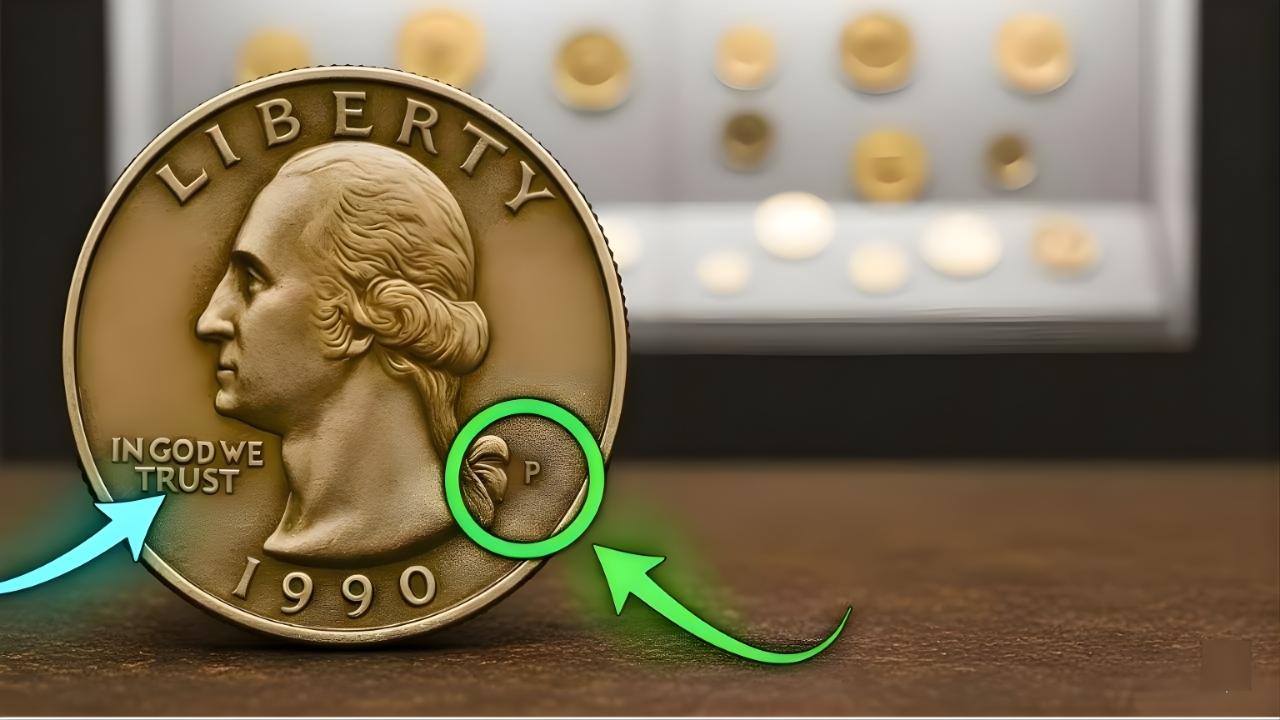
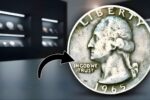
Washington quarters are among the most familiar coins in the United States, yet familiarity often hides their true potential. For decades, these quarters passed through countless hands as everyday currency, which is exactly why rare examples still surface unexpectedly. While most are worth only face value, select dates, mint marks, metal compositions, and minting errors can place certain Washington quarters firmly in the “high-value collectible” category. For collectors, the challenge and excitement lie in knowing what to look for.
The Birth of the Washington Quarter
The Washington quarter was introduced in 1932 to commemorate the 200th anniversary of George Washington’s birth. Designed by sculptor John Flanagan, the coin replaced the Standing Liberty quarter and was initially planned as a one-year commemorative issue. Public reception was strong, and the design became permanent. This long production run, spanning both silver and modern clad eras, created a wide range of collectible varieties that continue to attract attention today.

Why Some Washington Quarters Are Worth Thousands
Several factors determine whether a Washington quarter is valuable. Low mintage years are highly sought after because fewer coins were produced and survived. Minting errors create one-of-a-kind or extremely limited variations that collectors eagerly pursue. Metal composition is another key factor, as quarters minted before 1965 contain 90 percent silver. Condition also plays a major role, with uncirculated and professionally graded coins commanding significantly higher prices than worn examples.
Key Dates That Define the Series
Among all Washington quarters, the 1932-D and 1932-S stand out as the most famous key dates. These were the first issues of the series and were struck in very limited numbers during the Great Depression. Many were heavily circulated or melted for silver, making surviving examples scarce today. Even in modest condition, these quarters can be worth hundreds or thousands of dollars, while high-grade examples often sell for much more.
Valuable Mint Errors Collectors Watch For
Mint errors add an entirely different layer of value to Washington quarters. Doubled die obverse coins, where the date or lettering appears doubled, are especially popular. Overpunched mintmarks, such as a D over S, reveal mistakes made during the minting process and require magnification to identify. Transitional errors, where coins were struck on the wrong metal planchet, can be extremely valuable due to their rarity and historical significance.
Silver Washington Quarters and Their Appeal
All Washington quarters minted from 1932 through 1964 are composed of 90 percent silver. Even common dates from this period carry intrinsic value tied to silver prices. However, condition and rarity can push values much higher. Brilliant uncirculated silver quarters with strong luster and minimal marks are particularly desirable. For many collectors, silver Washington quarters represent the perfect blend of affordability, history, and long-term value.
Modern Washington Quarter Errors Worth Money
Even modern quarters can be valuable if they feature the right error. One of the most famous examples is the 1982 quarter missing the P mintmark, which occurred during the first year Philadelphia began using mintmarks on quarters. Other modern errors include doubled dies, off-center strikes, and clipped planchets. Because these coins were widely circulated, finding an error example today is still possible.
The Importance of Condition and Grading
Condition often determines whether a Washington quarter is worth a few dollars or several thousand. Coins with heavy wear lose much of their appeal, even if they are rare dates. Professional grading services provide authentication and assign a standardized grade that collectors trust. A high-grade certified coin is easier to sell, easier to insure, and often commands a strong premium in the market.
How to Search for Valuable Washington Quarters
Searching for rare quarters does not require expensive tools. Coin jars, inherited collections, estate sales, and bank rolls are common sources. A basic magnifying glass can reveal doubled lettering or unusual mintmarks. Weighing coins helps confirm silver content, while careful handling prevents surface damage. Coins suspected of being valuable should be stored in protective holders to preserve their condition.
Why Collectors Remain Drawn to Washington Quarters
Washington quarters remain popular because they combine accessibility with genuine discovery potential. Unlike many rare coins that never circulated, these quarters were once everyday money. This creates the thrilling possibility that a valuable example could still be found today. Their connection to American history, combined with the challenge of identifying subtle details, keeps collectors engaged year after year.
Market Demand and Long-Term Value
Demand for rare Washington quarters has remained steady due to consistent collector interest. Silver content provides a baseline value, while key dates and errors create strong competition at auctions. As fewer high-quality examples remain available, prices for certified coins continue to trend upward. For collectors who value both history and potential appreciation, Washington quarters remain a compelling choice.
Final Verdict
Washington quarters are far more than simple pocket change. Hidden among common issues are coins with remarkable rarity, historical importance, and market value. From early low-mintage dates to silver issues and modern minting errors, these quarters offer collectors a realistic chance to uncover coins worth hundreds or even thousands of dollars. With patience, knowledge, and careful examination, extraordinary value can still be found in the most ordinary places.
Disclaimer
This article is for informational purposes only and is based on publicly available numismatic references and general market observations, which may vary by region and change over time due to market conditions, metal prices, new discoveries, or official updates. Coin values depend on factors such as authenticity, condition, rarity, grading, and collector demand, and no prices mentioned are guaranteed. Readers should always verify information with certified coin dealers, professional grading services, or reputable auction records before making any buying, selling, or investment decisions.