Coin collecting is a hobby built on patience, curiosity, and the excitement of uncovering forgotten history. Few American coins capture this spirit better than the Lincoln Wheat Penny. Minted from 1909 to 1958, these pennies circulated through wars, economic hardship, and periods of national growth. While many Wheat Pennies remain common, a select group of rare dates and error varieties have become some of the most valuable coins in U.S. numismatics. In 2026, collector interest in Wheat Pennies remains strong, driven by rising prices and the continued discovery of rare examples in old collections.
History of the Lincoln Wheat Penny
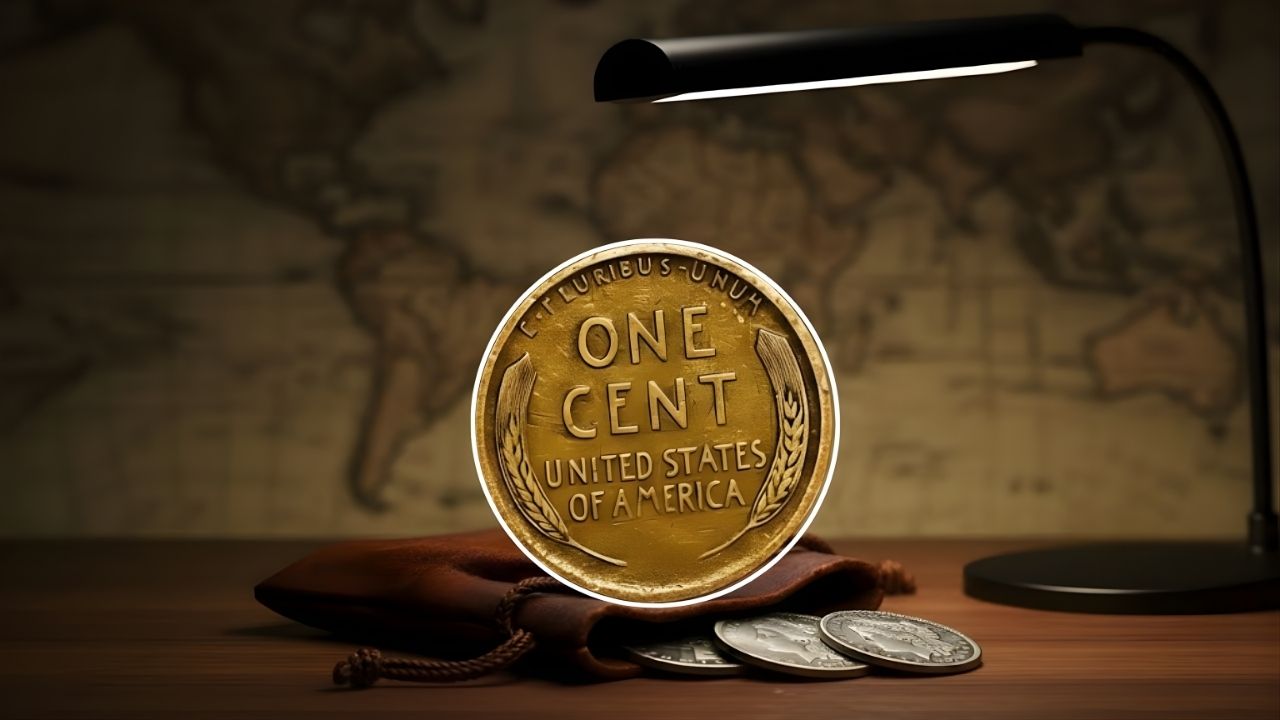
The Lincoln Wheat Penny was introduced in 1909 to honor the 100th anniversary of Abraham Lincoln’s birth. It was the first U.S. coin to feature a real historical figure rather than a symbolic image. Designed by Victor David Brenner, the obverse displays Lincoln’s profile, while the reverse features two wheat stalks framing the words “One Cent.” This simple but meaningful design symbolized national prosperity and unity, helping the coin earn its place as one of the most recognizable American pennies ever minted.
Why Wheat Pennies Are So Valuable to Collectors
Collectors value Wheat Pennies for several reasons. Some coins are rare due to low mintages, while others gained fame from minting mistakes that were never meant to leave the U.S. Mint. Errors such as doubled dies, missing mint marks, and wrong metal compositions can dramatically increase value. Condition also plays a major role, as high-grade examples are far scarcer than worn circulation pieces. Together, rarity, demand, and preservation determine which Wheat Pennies become true collector treasures.
Rare Wheat Penny Value Chart for 2026
The table below highlights some of the most desirable Wheat Pennies and their estimated market values in 2026.
Wheat Penny Value Table
Year and Mint Notable Feature Estimated Value Range
1909-S VDB Designer initials controversy $700 – $50,000+
1911-S Low mintage issue $100 – $3,000+
1914-D Major key date rarity $300 – $15,000+
1922 No D Missing mint mark error $500 – $20,000+
1924-D Scarce in high grades $200 – $5,000+
1931-S Low mintage during Depression $100 – $5,000+
1943 Copper Wrong planchet wartime error $100,000 – $1,000,000+
1944 Steel Transitional error coin $75,000 – $200,000+
1949-D Scarce in mint condition $50 – $1,500+
1955 Doubled Die Strong visible doubling $1,000 – $25,000+
1969-S Doubled Die Dramatic error variety $10,000 – $75,000+
Legendary Rare Wheat Pennies Every Collector Knows
Certain Wheat Pennies have achieved legendary status. The 1909-S VDB is famous for the controversy surrounding the designer’s initials, making it one of the most sought-after U.S. coins. The 1914-D is another key date, especially difficult to find in high grades. Perhaps the most famous of all is the 1943 copper penny, accidentally struck during World War II when pennies were supposed to be made from steel. Only a handful are known to exist, and they regularly sell for six or seven figures.

Famous Error Wheat Pennies Worth Big Money
Error coins play a huge role in the Wheat Penny market. The 1922 No D penny resulted from heavily worn Denver dies that failed to leave a mint mark. The 1955 Doubled Die Obverse is known for its dramatic doubling that is visible without magnification. The 1969-S Doubled Die is another major rarity, with strong doubling that places it among the most valuable modern U.S. error coins. These mistakes transformed ordinary pennies into highly prized collectibles.
How Coin Condition Impacts Wheat Penny Value
Condition can mean the difference between a Wheat Penny worth a few dollars and one worth thousands. Coins are graded on a scale from heavily worn to mint state, with mint state coins showing no signs of circulation. Rare dates become exponentially more valuable in higher grades because fewer examples survived without wear. Even common Wheat Pennies can command strong premiums if they are preserved in exceptional condition.
Finding Rare Wheat Pennies Today
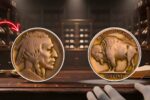
One of the most exciting aspects of collecting Wheat Pennies is that rare examples are still occasionally discovered. Old jars, inherited collections, estate sales, and bank coin rolls can all yield surprises. Many valuable Wheat Pennies were saved decades ago and forgotten, only to resurface years later. This possibility keeps collectors searching and makes the hobby accessible to beginners and seasoned enthusiasts alike.
Investment Potential of Wheat Pennies
While coin collecting should never be viewed purely as a guaranteed investment, rare Wheat Pennies have shown steady long-term appreciation. Coins with strong historical importance, low populations, and verified errors tend to perform best. Professional grading and authentication are essential for protecting value and ensuring buyer confidence. Collectors who stay informed about market trends are better positioned to make sound decisions.

Cultural and Historical Importance of Wheat Pennies
Beyond their monetary value, Wheat Pennies offer a tangible connection to American history. These coins passed through the hands of citizens during the Great Depression, World War II, and the postwar boom. Their design reflects a time when U.S. coinage emphasized symbolism and national pride, making them cherished artifacts as well as collectibles.
Final Verdict
The Lincoln Wheat Penny remains one of the most fascinating and rewarding areas of U.S. coin collecting. From famous key dates like the 1909-S VDB and 1914-D to legendary errors such as the 1943 copper and 1955 doubled die, these coins continue to captivate collectors in 2026. While most Wheat Pennies are modest in value, the rare exceptions prove that extraordinary treasures can still be found in the most ordinary places.